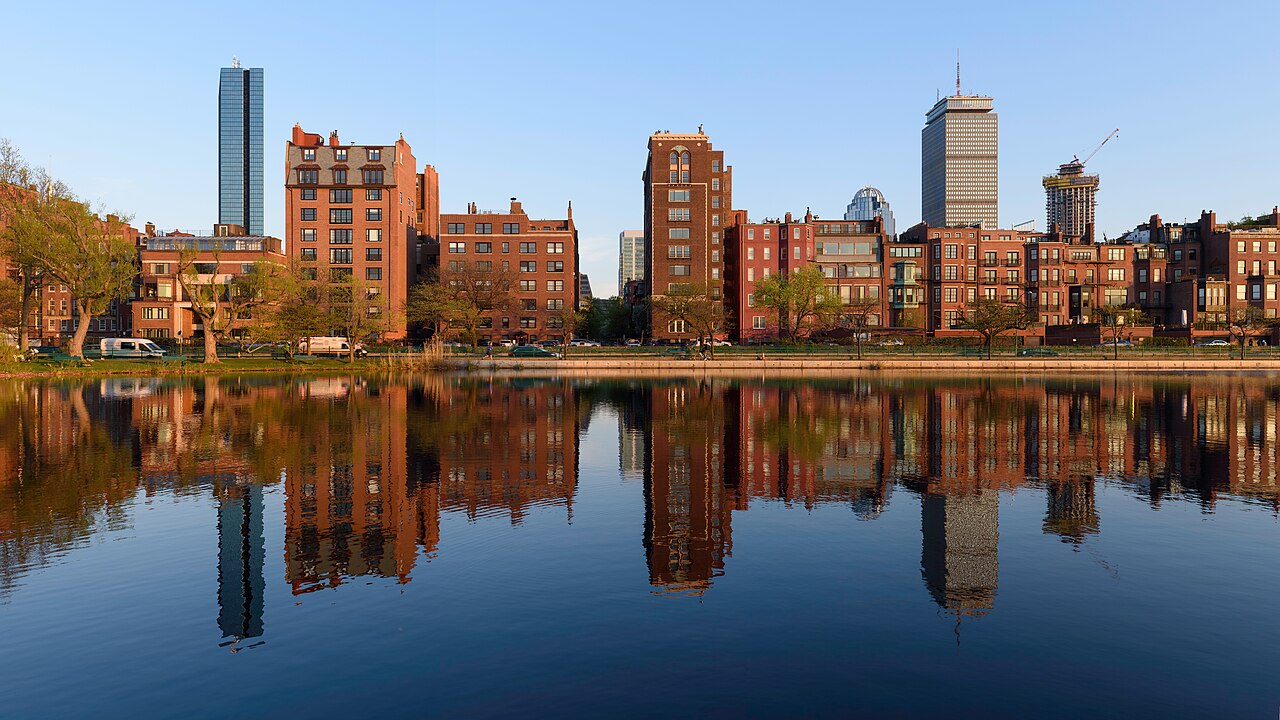
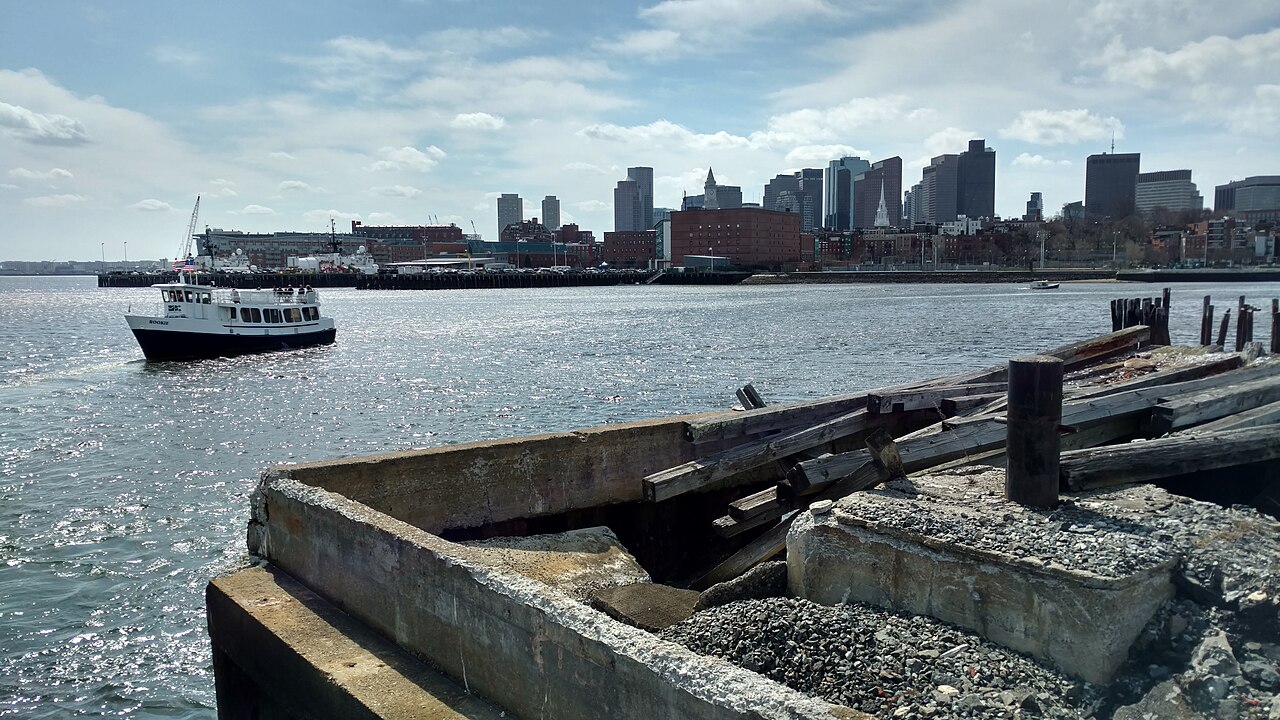
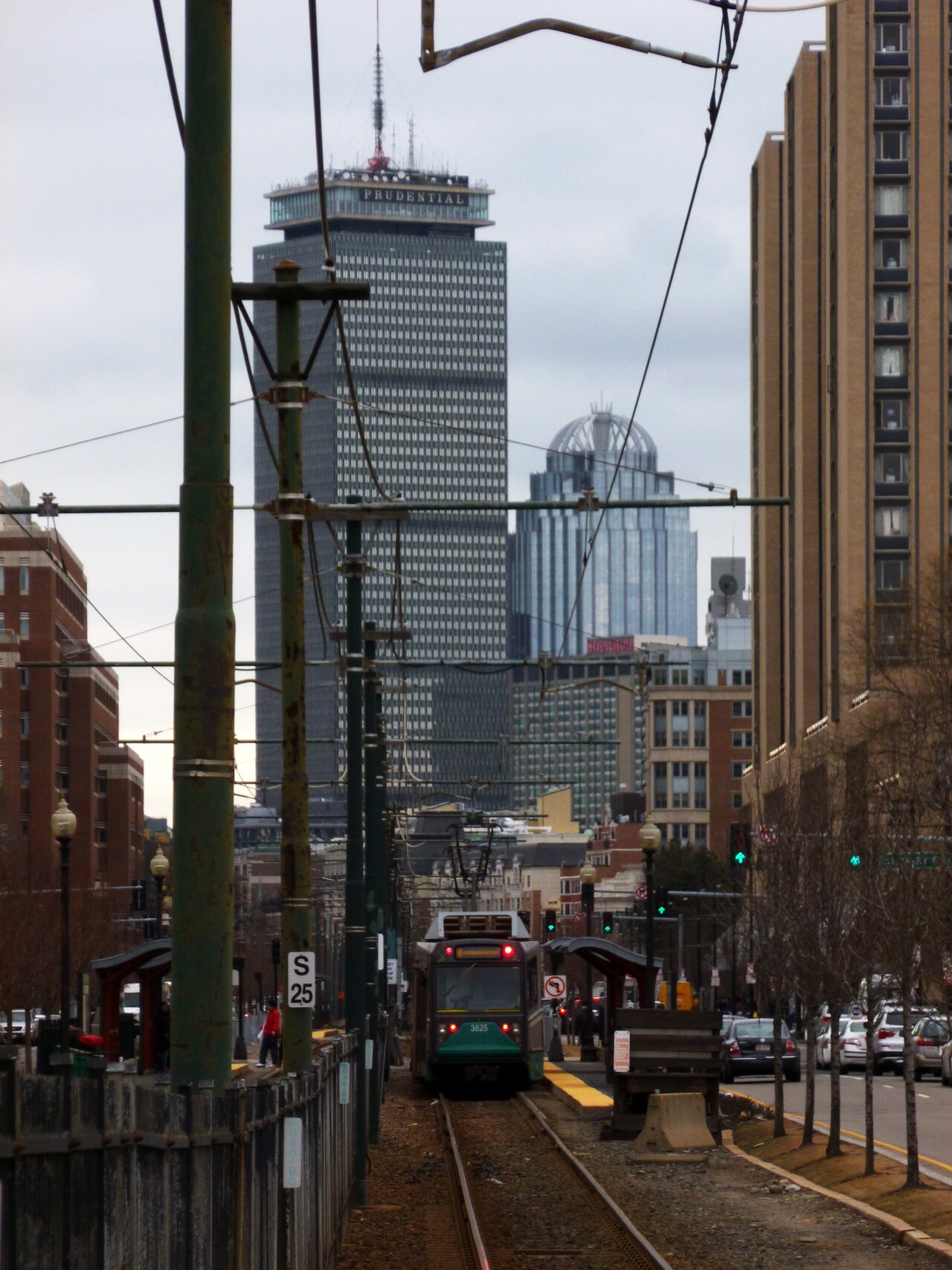
Boston Common in Late Fall: America's Oldest Park Settles Into Its Quiet Season
The crowds thin, the Frog Pond gears up for ice, and the Common returns to the neighbors — dog walkers, chess players and commuters cutting the corner to Park Street.
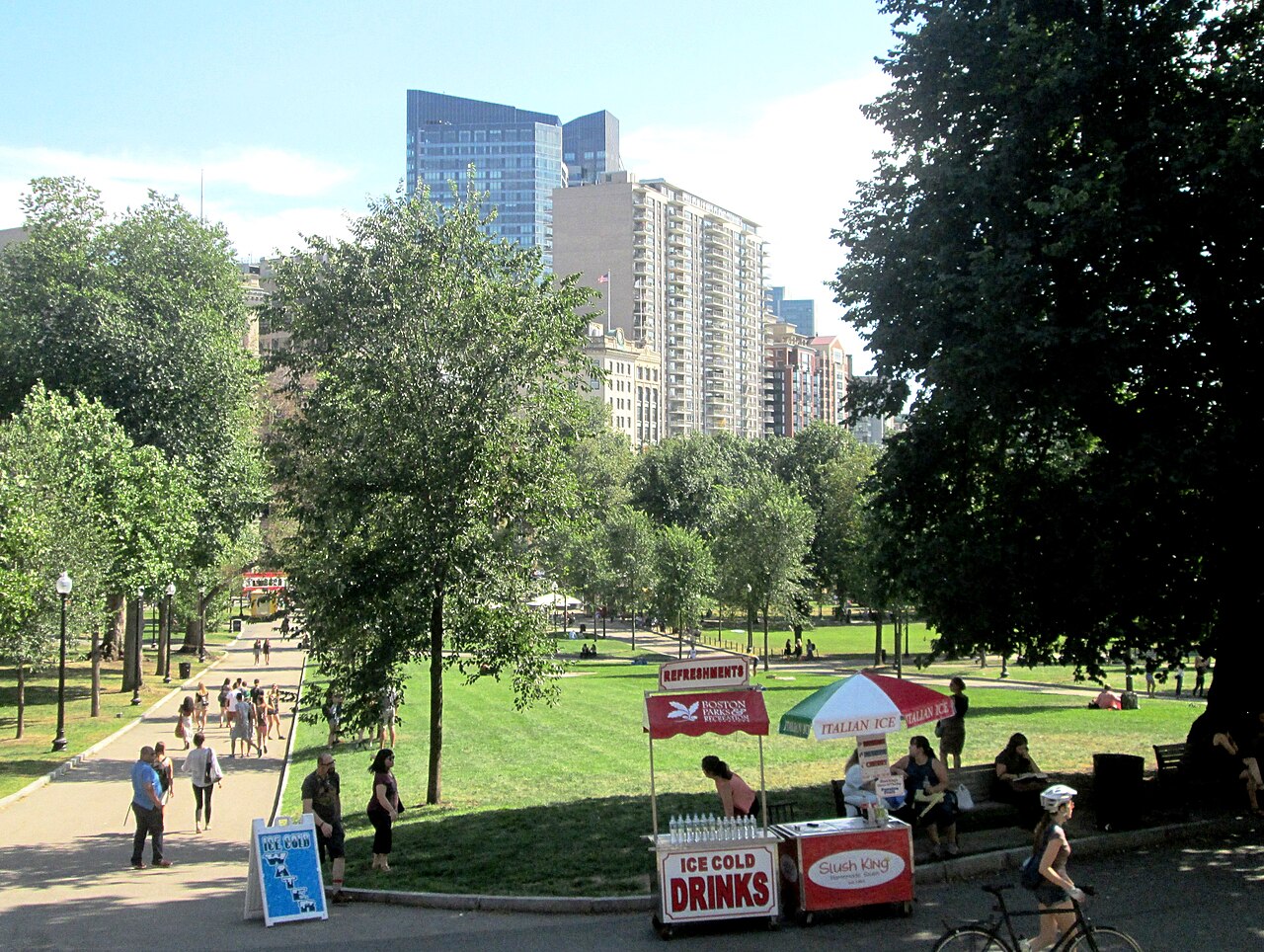
Boston Common has been many things since 1634 — grazing land, a British Army camp, a hanging ground, a parade field — but in early November it becomes something simpler: a neighborhood park again. The tour groups thin out, the Freedom Trail walkers move a little faster in the cold, and the Common's fifty acres settle into their winter rhythm.
The landmarks do not change with the season. The golden dome of the State House still watches from Beacon Hill. The Robert Gould Shaw and 54th Regiment Memorial still anchors the corner of Beacon and Park, telling one of the Civil War's essential stories in bronze. Park Street station still exhales commuters at the Common's edge, as it has since the subway age began here.
What changes is the light and the pace. The great elms and maples drop the last of their leaves, the softball diamonds rest, and attention shifts to the Frog Pond, where the summer reflecting pool gives way to the winter skating rink that generations of Boston children have learned on — some gracefully, most otherwise.
The Common is the southern anchor of the Emerald Necklace and the starting point of the Freedom Trail, but its everyday users ask less of it: a bench, a shortcut, a squirrel with ambitions, a lunchtime lap. It is managed by the Boston Parks and Recreation Department, with help from the Friends of the Public Garden, and it wears its age the way Boston prefers — unbothered and in daily use.
Walk it this week, before the first real cold arrives, and you will see the park the postcards skip: quiet paths, long shadows, and a city crossing its oldest room on the way somewhere else.