The Zakim Bridge and the Big Picture Over the Charles
The Leonard P. Zakim Bunker Hill Memorial Bridge carries I-93 over the river in a sweep of cables — the Big Dig's signature, and the gateway every Boston driver knows.
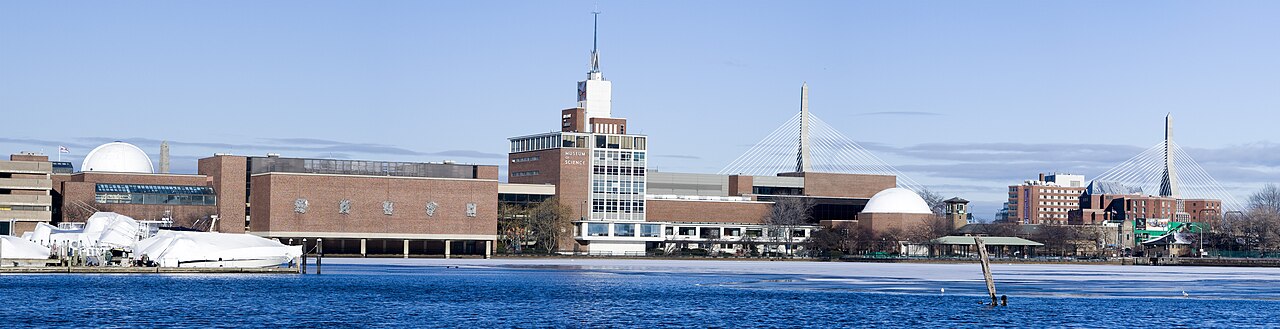
Every city gets the bridge its era deserves. Boston's is the Leonard P. Zakim Bunker Hill Memorial Bridge: a cable-stayed span carrying Interstate 93 across the Charles River, its twin towers and fan of white cables instantly recognizable from the harbor, the Esplanade and every helicopter shot of the skyline.
The bridge is the visible crown of the Central Artery project — the Big Dig — which buried the elevated highway that once walled off downtown. Where traffic once crawled on a green steel viaduct past the North End, it now flows through tunnels, and the Zakim carries the highway over the river in the open, with the TD Garden and North Station at its southern foot.
For drivers, the bridge is a daily instrument reading. Northbound, it is the funnel toward I-93's run to Somerville, Medford and New Hampshire; southbound, it delivers traffic into the Tip O'Neill Tunnel and the split for the Mass Pike and I-90. When the Zakim slows, the region feels it from Route 128 to the South Shore — which is why MassDOT's traffic cameras and alerts treat this corridor as the one to watch.
It is also, not incidentally, beautiful — lit at night, mirrored in the river by day, and named for a civil rights leader, with 'Bunker Hill' carried in the same dedication to satisfy Charlestown's claim on the crossing. Engineering and argument, combined in true Boston fashion.
Cross it at dusk in November, with the Garden lit for a game and the harbor going dark behind you, and the Big Dig's most famous artifact makes its case in one glance: the city moves better when its bridges are landmarks instead of obstacles.