
The Paper Trail at the Garden: What Public Records Do — and Don't — Show
TD Garden is privately owned and sits atop a public transit hub on land shaped by public deals. Our desk read the public record to see where the public's money and the arena's business actually meet.
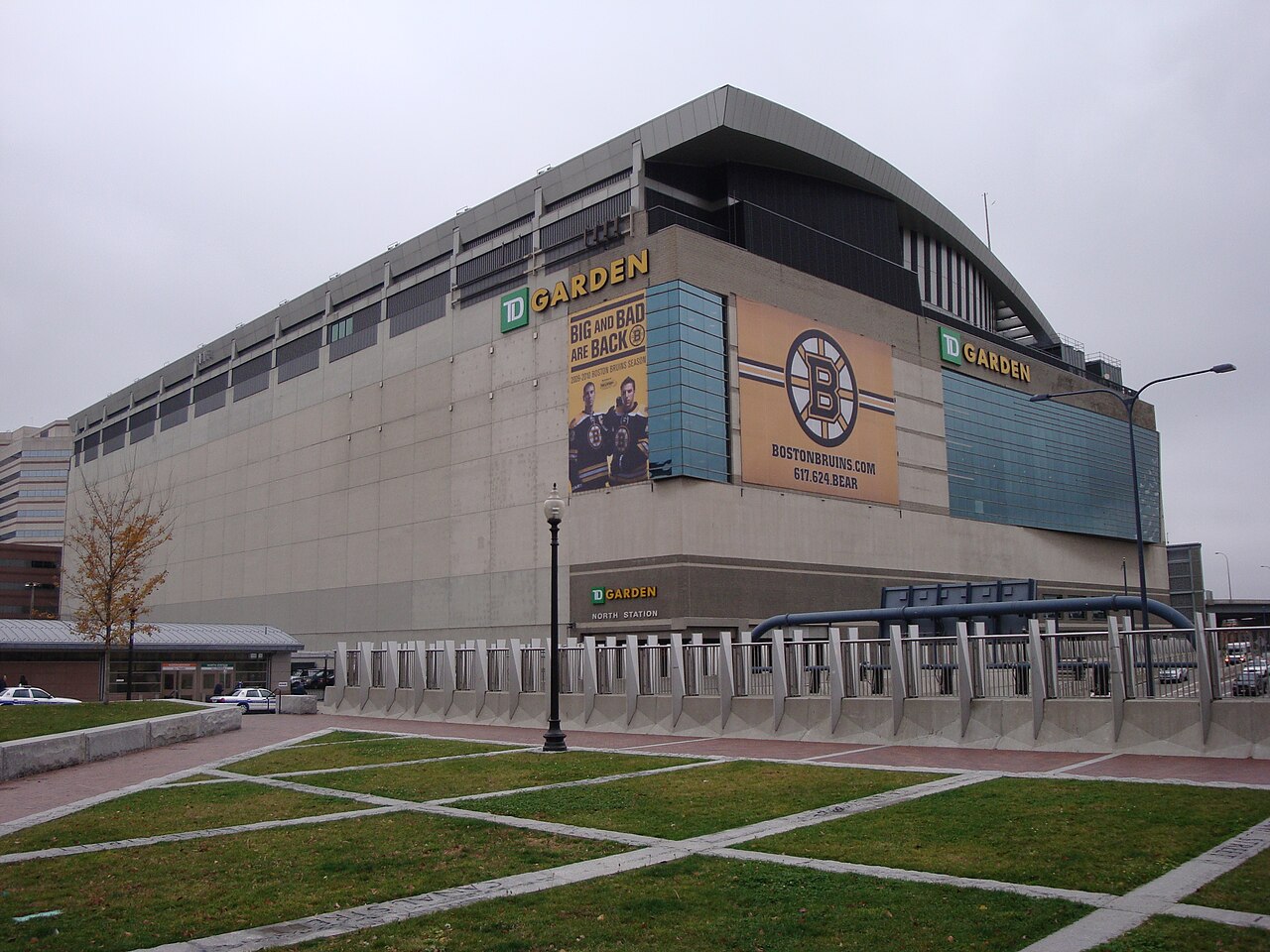
Start with what the documents establish. TD Garden, the arena above North Station, is owned by Delaware North, the hospitality and venue company — it is a private business, not a city facility. It opened in 1995 as the replacement for the original Boston Garden, and it hosts the Celtics and the Bruins, whose leases and operations are private contracts.
The public thread runs underneath — literally. The arena sits atop North Station, one of the MBTA's busiest hubs, on a site assembled in an era when Boston's West End cityscape was being remade by public action. The transit station below is public infrastructure; the arena above is not. That vertical split — public below, private above — is the honest summary of the paper trail, and it is more complicated than either 'public giveaway' or 'purely private' slogans suggest.
What public records do show is the recurring public business around the building: transit operations and capital work at North Station, permitting and inspection records, tax filings for the parcel, and the public process that accompanies any proposed change to the site. What they do not show — team finances, lease economics, naming-rights terms — sits behind the wall that separates a private company's books from the public record, and no amount of records-request persistence changes that distinction.
That boundary is itself a finding worth printing. Boston's arena is a private enterprise plugged into public infrastructure at one of the most valuable addresses in New England. The public's leverage over it is real but specific: it runs through transit investment, permitting and the tax code — the unglamorous instruments that records requests can actually reach.
Our desk will keep reading. The next documents in the file — North Station capital plans and the arena district's development filings — are public, and when they move, we will report what they say, and say plainly what they do not.