
First Snow Is a Question of When, Not If: Boston's Winter Readiness Ritual
November in Boston is winter's rehearsal. No storm is on the calendar yet — but the plows, salt and snow-emergency rules are already part of the city's conversation, because they always are by now.
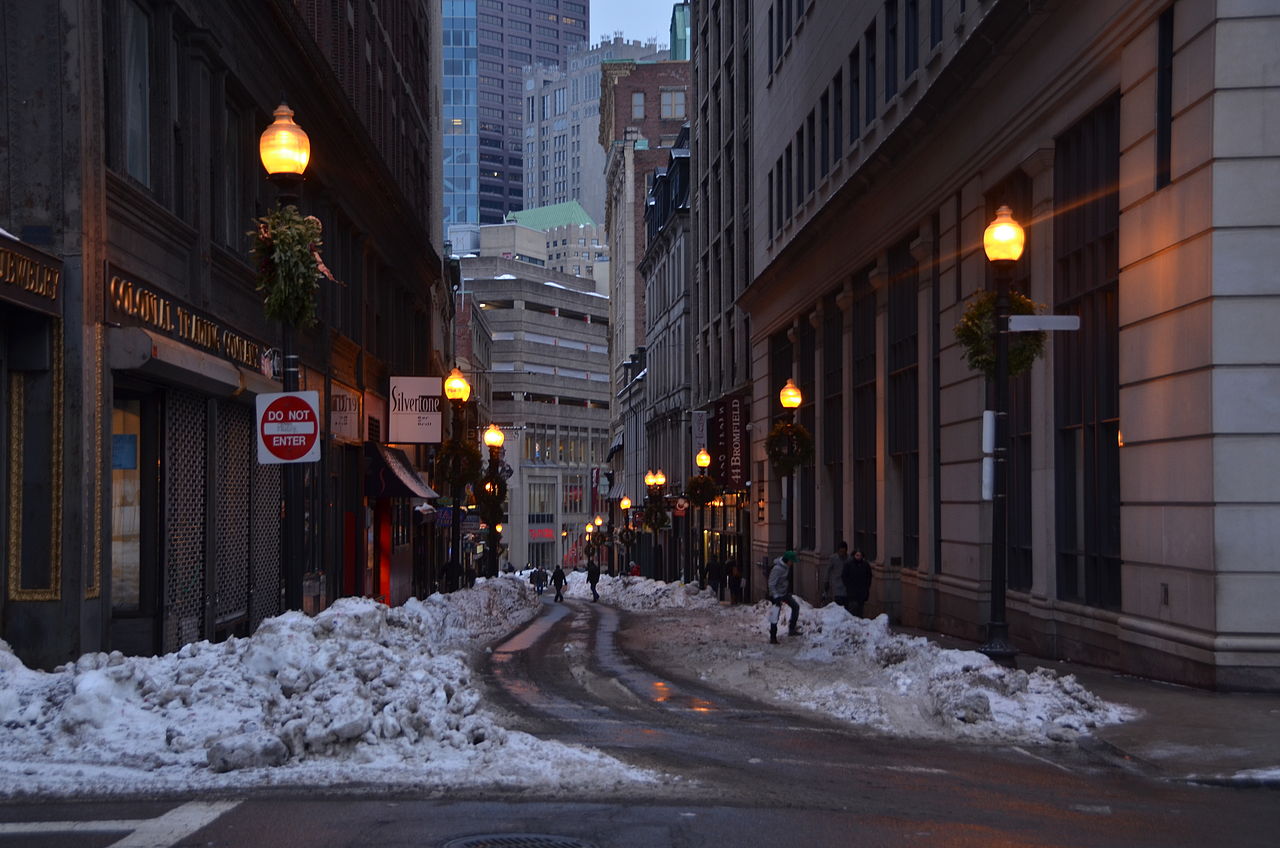
Boston does not get surprised by winter; it gets reacquainted with it. By the first week of November, the city has usually seen its first flakes or is counting the days, and the machinery of the snow season — plow contracts, salt piles, snow-emergency parking rules — quietly moves into place whether a storm is forecast or not.
The National Weather Service in Boston/Norton will handle the season's forecasts, and its guidance is the one that matters when a nor'easter spins up off the coast. Coastal storms remain Boston's signature winter threat: a track fifty miles one way or the other is the difference between a rainy nuisance and a plowable, school-closing event, which is why forecasters preach preparedness over precision this far out.
The city's side of the ritual is well rehearsed. When a snow emergency is declared, parking is banned on major arteries so plows can work curb to curb, discounted garage parking opens for residents with resident stickers, and Boston Public Schools make the call that defines a winter morning in thousands of households. None of that is in effect today — it is the standing playbook, published before it is needed.
For households, the readiness list is unglamorous and effective: know your street's snow-emergency status, keep a shovel and ice melt by the door rather than in the back of the garage, check on elderly neighbors before a storm instead of after, and give plows room when the season's first real event arrives.
It will arrive. Boston's snowiest months are still ahead, the harbor is cooling, and the city's oldest November truth holds: winter here is not an interruption of the routine. It is part of the routine — and the routine is ready.