Fenway in November: The Old Ballpark Sleeps, the Neighborhood Doesn't
The Red Sox season is over, the Green Monster is dark, and Fenway Park settles into its other life — tours, winter events and a neighborhood that never really closes.
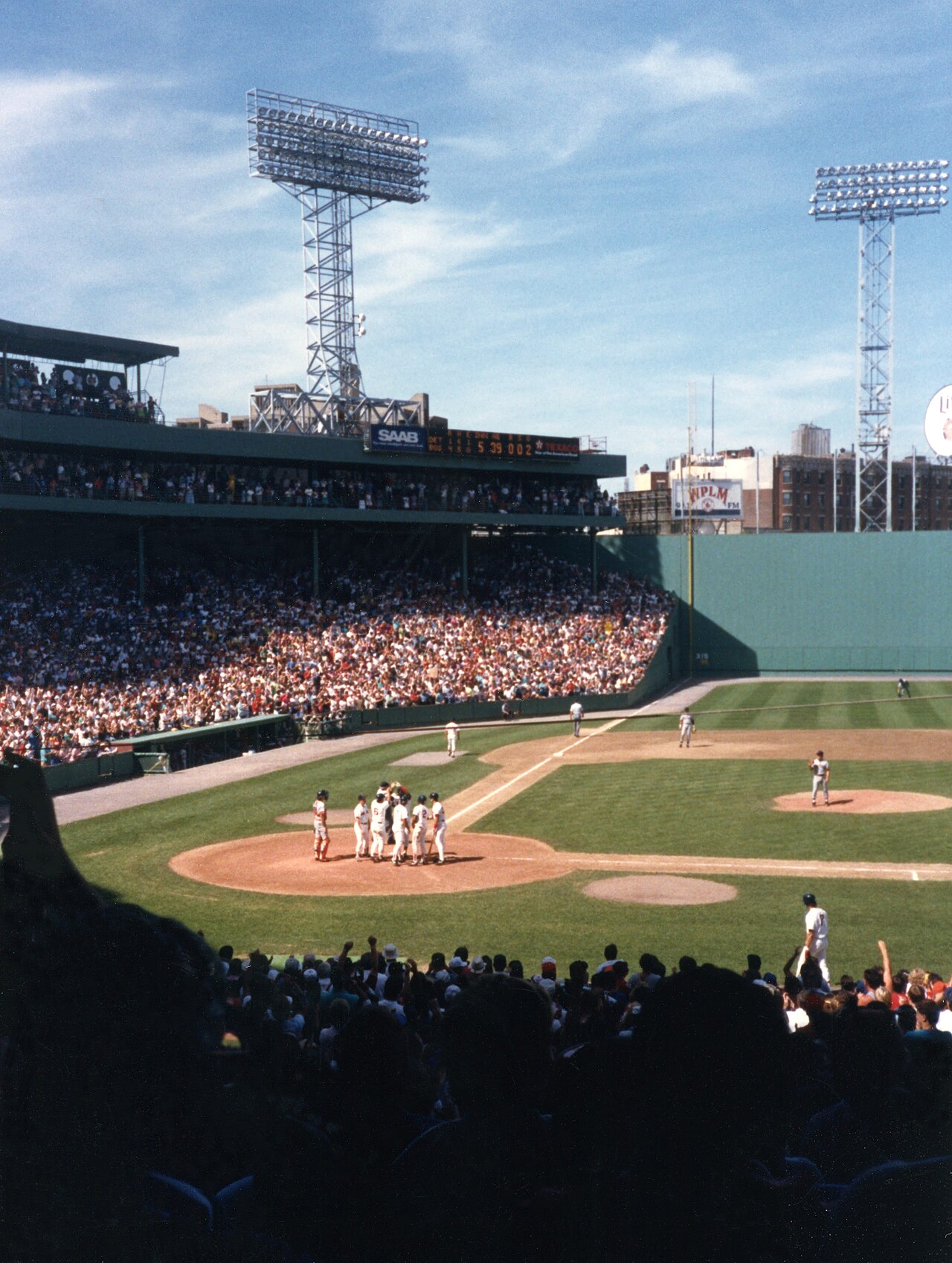
Fenway Park in November is a ballpark holding its breath. The field rests under the New England cold, the Green Monster stands dark over Lansdowne Street, and the loudest sound on Jersey Street is the wind worrying the banners of seasons past. The Red Sox will not play here for months. Boston, characteristically, comes anyway.
The park — opened in 1912, the oldest in Major League Baseball — runs a year-round second life: daily tours that walk visitors through the press box, the Monster seats and a century of accumulated memory; winter events that have, in recent years, included outdoor hockey and football under the lights; and a neighborhood economy of bars, souvenir shops and sausage carts that treats the offseason as a slower shift, not a closure.
The Fenway-Kenmore neighborhood has been remade around the park in the two decades since the current ownership committed to saving and renovating it rather than replacing it — a decision that shaped everything from the air-rights towers over the Mass Pike to the apartments and labs rising along Brookline Avenue. The ballpark is the anchor tenant of an entire district's identity.
For fans, November is for arithmetic: days until Truck Day, when the equipment truck leaves for Florida spring training in February; days until pitchers and catchers; days until the gates open again and the Monster turns green in every sense. The calendar is the coping mechanism, and it works every year.
Stand on Lansdowne on a cold evening and the place still hums — tour groups, dog walkers, the odd pilgrim touching the brick. Fenway sleeps the way Boston sleeps: lightly, and with one eye on spring.